
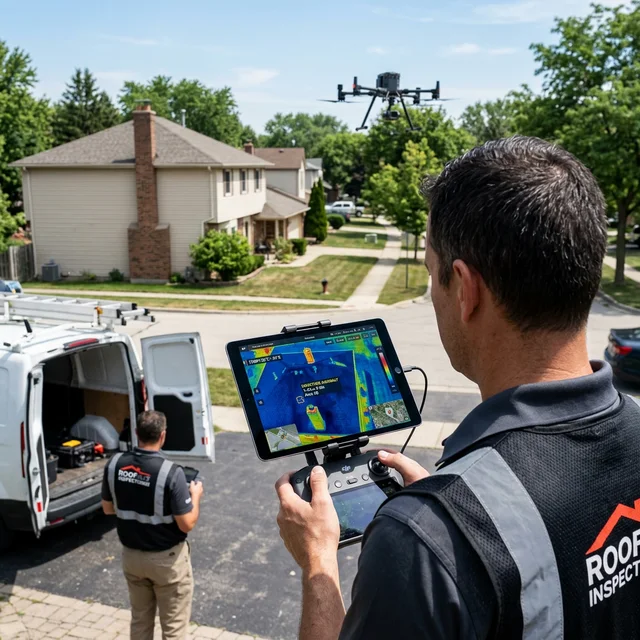
Roofing Contractor Puts Our Operating System at the Center of the 2026 Technology Story
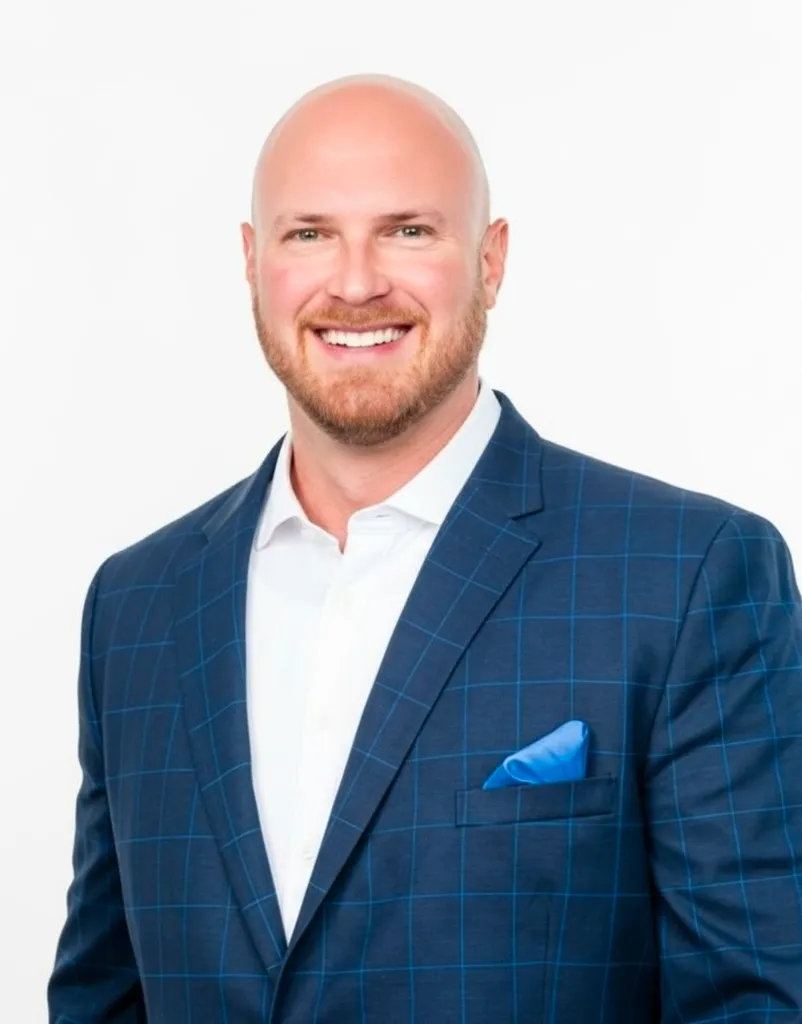 Brad Strawbridge
Third-party coverage of the model, not a pitch for it
Roofing Contractor's 2026 Roofing Technology Special Section ran a feature called The Race to Own Roofing's Operating System, reported by Tanja Kern and Art Aisner and published July 8, 2026.
The subtitle states the whole thesis of this platform better than our own marketing does: whoever controls the contractor's workflow controls much more than just a subscription.
BuilderLync is named in it. So is Capital City Roofing. So is this licensing model.
What the article reports
For most of the last decade a roofing contractor shopping for software picked from a short list of vendors. The article documents two new entrants that changed that.
Distributors are giving CRM software away. Construct CRM, out of Delray Beach, Florida, builds white-label platforms that distributors rebrand. Richards Building Supply launched Richards CRM in August 2025 and added EagleView property intelligence in January 2026. SPEC Building Materials plans its own release in spring 2026. Mid-Atlantic Roofing Supply is on the same platform. Per the article, Construct's distributor partners served more than a quarter of U.S. roofing contractors by late 2025.
No onboarding cost. No contract. No per-seat fee. No minimum spend.
Contractors are building and selling their own operating systems. The article notes BuilderLync launched V1 on June 1, that it was built by people who run roofing companies, and that it is not free.
Why the article treats the overlap as the strategy
Roofing Contractor reports the executive overlap in detail rather than treating it as trivia, which is the right read. Brad Strawbridge founded and runs Capital City Roofing in Alpharetta, Georgia. Edward Oueilhe is COO of both companies. Sean Richard is BuilderLync's Chief Product Officer and CISO and Capital City's CTO. Blake Grissom, Chief Sales Officer, runs Revive Roofing and Exteriors in Charleston and has won the Golden Door award with more than $7 million in personal sales. James Kuntz, Chief Growth Officer, runs Tarrytown Roofing. Nick Xenos is CTO.
The article reports that Capital City has been the live testing ground for JobCam, proposals, AI workflows, and automations, so the software was already running inside working roofing companies before it launched to anyone else. It notes the company runs EOS internally and had a paying customer before public launch.
On the operator problem the model is built around, it quotes Brad directly: "We'll run the company, you sell the roof."
What it reports about this platform specifically
The article covers the licensing structure attached to the software: a $15,000 buy-in against a typical $50,000 franchise fee, a 5% royalty against the usual 10%, and a portfolio-brand model where an established business keeps its own name and operates as "powered by Capital City Roofing." It also reports that the buy-in goes to the Feeding the Future Project rather than to corporate.
Those figures are Roofing Contractor's reporting, not a published rate card. Our own posture has not changed: the structure is outlined on The Model and Investment, and the specific commercial terms are walked through in a Discovery conversation with Brad rather than posted for everyone. We would rather you first read the shape of the model in a trade publication that had no obligation to be kind to us.
The criticism, printed as it was written
Two objections in the article are aimed at us, and we are going to repeat them rather than bury them.
First, the article is explicit that a contractor-built operating system creates its own kind of lock-in, one attached to the operator's whole business rather than just their purchase order. That is true. Standardizing your inspection, proposal, scheduling, and job documentation inside any platform makes leaving expensive. We think the trade is better than handing that leverage to the company that sells you shingles. You should evaluate that claim rather than accept it.
Second, ServiceTitan's Vishal Laddha argues that a contractor-built operating system has not yet proven it can scale across multiple locations, trades, and brands. That is a fair challenge. We are four markets in. Scale is the thing we have to prove, and saying so is more useful to a prospective licensee than pretending V1 settled it.
The question the article leaves open
The real competition is not about features or monthly price, but about which platform becomes the contractor's main source of truth. Should contractors trust a system owned by their supplier, their licensing brand, or a neutral vendor?
We are one of the three answers, and we have an obvious interest. Our case for it is in Distributor CRM, Franchise, or Licensed Operating System.
Read more
- The original reporting: The Race to Own Roofing's Operating System, Roofing Contractor, July 8, 2026
- Our comparison of the three ownership models: Distributor CRM, Franchise, or Licensed Operating System
- The contractor-facing breakdown on the operating company's blog: Distributor CRM vs. Contractor Operating System
- Brad's operator-side essay: Who Owns the Roofing Operating System
- The technology layer itself: Tech Stack and BuilderLync
If you are an operator evaluating this, start with How It Works or apply.
Ready to implement
Ready to implement this system?
Stop struggling with margins and scale predictably. Apply for a preferred licensed market today.
Start the Operator Audit